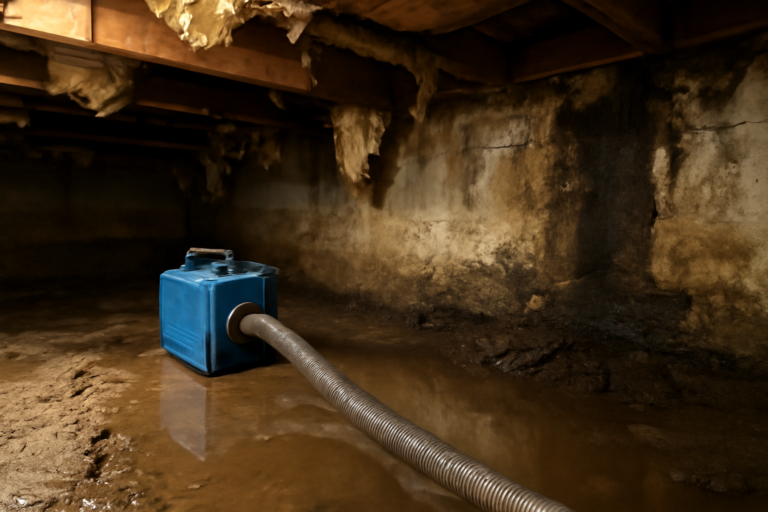
Hardwood Floor Water Extraction in Ashland, MA
Trusted by 170+ Homeowners
- Over 174 5-Star Reviews
- Free Estimates and Quotes
- 100% Satisfaction Guaranteed
- Child, Family & Pet Safe Steps
- 24-Hour Emergency Service
- Fully Licensed & Insured
- Call
- We arrive
- Restored

Preventing Water Damage on Your Hardwood Floors in Ashland, MA
You live in a beautiful area like Ashland, MA, with its rich history and picturesque surroundings. But with the changing seasons, you know the risks of water damage to your hardwood floors are always present. Heavy rainfall, melting snow, and even your own plumbing can all contribute to standing water on your floors. That’s why it’s crucial to prevent water damage before it happens, and that’s where our expert team comes in. Our technicians are trained to extract water quickly and safely, preventing further damage to your hardwood floors.
Don’t let water damage ruin your beautiful hardwood floors. Our team has helped over 165 homeowners in the area with their water damage needs, including Hardwood Floor Water Extraction. What sets us apart is our commitment to providing personalized service, tailored to your unique situation. Our IICRC-certified technicians will work with you to ensure your floors are restored to their original beauty.
- Prevent water damage from occurring in the first place by fixing any leaks or water issues quickly.
- Act quickly when you notice signs of water damage on your hardwood floors, as the longer you wait, the more damage can occur.
- Don’t try to DIY water extraction, as it can lead to further damage and potentially make your home uninhabitable.
How Our Hardwood Floor Water Extraction Service Actually Works
We know that water damage can be a stressful and overwhelming experience. That’s why our team has developed a comprehensive process for Hardwood Floor Water Extraction that ensures your floors are restored to their original beauty. Our technicians use specialized equipment to extract water from your hardwood floors, preventing further damage and ensuring your home is safe and healthy.
Step 1: Assessment and Planning
We’ll start by assessing the extent of the water damage and creating a customized plan to restore your floors. Our technicians will use specialized equipment to extract water from your hardwood floors, and then dry the area completely to prevent further damage.
Step 2: Water Extraction
We’ll use specialized equipment, including wet/dry vacuums and extraction pumps, to remove excess water from your hardwood floors. This step is crucial in preventing further damage and ensuring your home is safe and healthy.
Step 3: Drying and Dehumidification
After water extraction, we’ll use specialized equipment to dry your hardwood floors completely. We’ll also use dehumidifiers to remove excess moisture from the air, preventing mold and mildew growth.
Step 4: Cleaning and Sanitizing
We’ll thoroughly clean and sanitize your hardwood floors to remove any dirt, grime, or bacteria that may have been present after the water damage. This step is crucial in ensuring your floors are safe and healthy.
Step 5: Restoration and Refinishing
Once your hardwood floors are dry and clean, we’ll restore and refinish them to their original beauty. Our technicians will work with you to select the perfect stain and finish for your floors.
Don’t wait any longer to restore your hardwood floors. Contact our team today to schedule an appointment and take the first step towards restoring your home to its former glory.

Warning Signs You Need Hardwood Floor Water Extraction
Catching signs of water damage early on can save you money and prevent bigger problems down the line. Here are some warning signs you shouldn’t ignore:
Musty Odors That Won’t Go Away
Unpleasant odors can show the presence of mold and mildew, which can grow in damp environments. If you notice persistent musty smells on your hardwood floors, it’s time to call a professional.
Warped or Buckled Boards
Warped or buckled boards can show that your hardwood floors have been exposed to excess water. If you notice any warping or buckling, it’s essential to act quickly to prevent further damage.
Visible Water Stains
Visible water stains on your hardwood floors can show that water has seeped into the wood. If you notice any water stains, it’s crucial to act quickly to prevent further damage.
Soft or Spongy Boards
Soft or spongy boards can show that your hardwood floors have been exposed to excess water. If you notice any soft or spongy boards, it’s essential to act quickly to prevent further damage.
Peeling or Flaking Finish
Peeling or flaking finish can show that your hardwood floors have been exposed to excess water. If you notice any peeling or flaking finish, it’s crucial to act quickly to prevent further damage.
Hardwood Floor Water Extraction vs. DIY: When to Call a Professional
| Situation | DIY? | Call a Pro? | Why |
|---|---|---|---|
| Water damage is minor and confined to a small area | Yes | No | You can likely handle minor water damage with basic DIY tools and equipment. |
| Water damage has occurred in a large area or multiple rooms | No | Yes | Professional equipment and expertise are required to handle extensive water damage. |
| You’re unsure about how to handle water damage or don’t have the necessary equipment | No | Yes | Professional help is essential to prevent further damage and ensure your home is safe and healthy. |
| You notice signs of mold or mildew growth | No | Yes | Mold and mildew growth need specialized equipment and expertise to remove effectively. |
| You’re dealing with a emergency situation, such as a burst pipe or flooding | No | Yes | Emergency situations need immediate attention and professional help to prevent further damage and ensure your home is safe. |
| You want to ensure your hardwood floors are restored to their original beauty | No | Yes | Professional technicians have the expertise and equipment to restore your hardwood floors to their original beauty. |
Don’t take any chances with water damage. Contact our team today to schedule an appointment and ensure your hardwood floors are restored to their original beauty.
Hardwood Floor Water Extraction Cost in Ashland, MA
The cost of Hardwood Floor Water Extraction can vary depending on the severity of the damage, the size of the affected area, and local conditions in Ashland, MA. Here are some estimated costs to give you an idea of what to expect:
| Service | Typical Price Range | What Affects Cost |
|---|---|---|
| Water extraction and drying | $500 – $2,500 | Size of affected area, severity of damage |
| Dehumidification and mold prevention | $200 – $1,000 | Size of affected area, severity of damage |
| Hardwood floor refinishing | $1,000 – $5,000 | Type of finish, size of affected area |
| Specialized equipment rental | $100 – $500 | Size of affected area, severity of damage |
| Technician labor | $500 – $2,000 | Size of affected area, severity of damage |
Exact pricing depends on an on-site assessment. Contact our team today to schedule an appointment and receive a free estimate.
Service Areas Near Ashland, MA
We serve the following nearby communities:
Framingham, MA, Sudbury, MA, Marlborough, MA, Natick, MA, Hopkinton, MA, Wayland, MA, Weston, MA, Sherborn, MA, Dover, MA, Medway, MA, Millis, MA.
Common Questions About Hardwood Floor Water Extraction
Q: How long does it take to extract water from my hardwood floors?
A: The time it takes to extract water from your hardwood floors depends on the severity of the damage and the size of the affected area. But, our technicians use specialized equipment to extract water quickly and safely, usually within 60 minutes.
Q: Can I use a wet/dry vacuum to extract water from my hardwood floors?
A: No, it’s not recommended to use a wet/dry vacuum to extract water from your hardwood floors. This type of equipment can push water deeper into the wood, causing further damage. Instead, our technicians use specialized equipment designed for water extraction.
Q: How do I prevent water damage to my hardwood floors?
A: To prevent water damage to your hardwood floors, fix any leaks or water issues quickly, use a dehumidifier in humid environments, and avoid standing water on your floors. These simple steps can help prevent water damage and ensure your floors remain safe and healthy.
Q: Can I try to dry my hardwood floors myself?
A: No, it’s not recommended to try to dry your hardwood floors yourself. Our technicians have the equipment and expertise to dry your floors safely and effectively, preventing further damage and ensuring your home is safe and healthy.
Check Our Other Relevant Services
Serving Ashland, MA And Nearby Areas