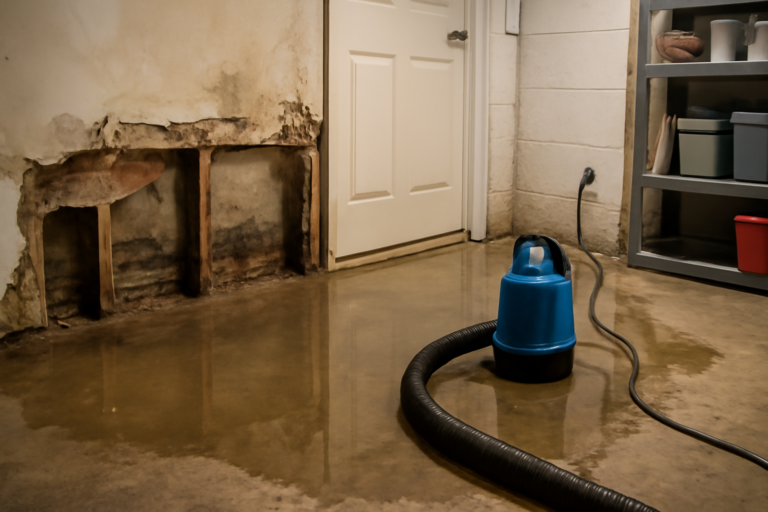
Septic Tank Backup Water Removal in Arlington, MA
Trusted by 170+ Homeowners
- Over 174 5-Star Reviews
- Free Estimates and Quotes
- 100% Satisfaction Guaranteed
- Child, Family & Pet Safe Steps
- 24-Hour Emergency Service
- Fully Licensed & Insured
- Call
- We arrive
- Restored

Septic Tank Backup Water Removal in Arlington, MA: Don’t Wait, Act Now
You’re standing in your home, and you notice a strange smell coming from the bathroom. The water in the toilet bowl is rising, and you hear a gurgling sound coming from the pipes. It’s a septic tank backup, and it’s happening now. Don’t ignore it, act fast, and call our team for immediate help. Septic tank backups can cause serious water damage and put your family’s health at risk. You need a professional to contain and clean up the mess, and we’re here to help.
Our team has helped hundreds of homeowners in Arlington, MA, and the surrounding area, with their septic tank backup water removal needs. We’ve received over 165 five-star reviews, and we’re proud of our reputation for providing fast, reliable, and effective service. Our technicians are IICRC certified and equipped with the latest equipment to handle even the toughest water removal jobs.
- We use advanced moisture-reading equipment to identify and measure the extent of the damage, ensuring a thorough and accurate assessment.
- Our fast-drying protocols and specialized equipment can dry your property in as little as 3-5 days, reducing the risk of mold and bacteria growth.
- We contain the affected area to prevent further damage and ensure a safe working environment for our technicians.
How Our Team Handles Septic Tank Backup Water Removal
When you experience a septic tank backup, it’s essential to have a proper process in place to contain and clean up the mess. Our team follows a step-by-step approach to ensure a thorough and efficient restoration process. Here’s what you can expect:
Initial Assessment
We begin by assessing the damage and identifying the source of the backup. Our technicians will use specialized equipment to measure moisture levels, identify any structural damage, and find out the best course of action. Moisture readings are crucial in determining the extent of the damage and the necessary steps to restore your property. We’ll provide you with a detailed report and a plan of action to get your home back to normal.
Containment and Water Removal
Once we’ve assessed the damage, our team will contain the affected area to prevent further damage and ensure a safe working environment. We’ll use specialized equipment to remove standing water and begin the drying process. Our fast-drying protocols and equipment can dry your property in as little as 3-5 days, reducing the risk of mold and bacteria growth.
Structural Drying
After the initial water removal, our team will focus on structural drying. This involves using specialized equipment to dry the affected areas, including walls, ceilings, and floors. We’ll use desiccant equipment and other technologies to draw moisture out of the air and speed up the drying process.
Final Inspection and Cleaning
Once the drying process is complete, our team will conduct a final inspection to ensure that all affected areas have been restored to their original condition. We’ll also perform a thorough cleaning of the affected areas to prevent any further damage or health risks. Thorough cleaning is essential in preventing the growth of mold and bacteria.
Don’t wait any longer, call our team today to schedule a service and get your home back to normal. Our technicians are available 24/7, and we’ll respond to your emergency within 60 minutes. Fast service is essential in preventing further damage and reducing the risk of health hazards.

Warning Signs You Need Septic Tank Backup Water Removal
Catching septic tank backup warning signs early can save you money and prevent bigger problems. Here are some common signs to look out for:
Musty Odors That Won’t Go Away
Strong, unpleasant odors can be a sign of a septic tank backup. If you notice a persistent, musty smell coming from your drains or toilet, it’s time to call our team. Septic odors can be a sign of a more significant issue.
Water Damage Around Your Toilet or Drains
Water damage around your toilet or drains can be a sign of a septic tank backup. If you notice water seeping from the toilet or sink, it’s essential to act fast. Water damage can be costly and time-consuming to repair.
Slow-Draining Sinks or Toilets
Slow-draining sinks or toilets can be a sign of a clogged septic system. If you notice that your drains are taking longer than usual to drain, it’s time to call our team. Clogged drains can lead to a larger issue.
Backed-Up Sewers or Drains
Backed-up sewers or drains can be a sign of a septic tank backup. If you notice that your drains are backing up, it’s essential to act fast. Sewer backups can be a significant health hazard.
Standing Water in Your Yard
Standing water in your yard can be a sign of a septic tank backup. If you notice water pooling in your yard, it’s time to call our team. Standing water can be a sign of a more significant issue.
Green or Yellowish Water Coming from Your Drains
Green or yellowish water coming from your drains can be a sign of a septic tank backup. If you notice water with an unusual color or smell, it’s essential to act fast. Colored water can be a sign of a more significant issue.
Septic Tank Backup Water Removal vs. DIY: When to Call a Professional
| Situation | DIY? | Call a Pro? | Why |
|---|---|---|---|
| Small, contained spill (less than 10 sq. Ft.) | Yes | No | DIY is enough for small spills, but be sure to act fast and contain the area. |
| Large, uncontained spill (over 100 sq. Ft.) | No | Yes | Uncontained spills need professional equipment and expertise to prevent further damage. |
| Backed-up sewers or drains | No | Yes | Backed-up sewers or drains can be a significant health hazard and need professional attention. |
| Standing water in your yard | No | Yes | Standing water can be a sign of a more significant issue and need professional attention. |
| Green or yellowish water coming from your drains | No | Yes | Colored water can be a sign of a more significant issue and need professional attention. |
| Structural damage or significant water damage | No | Yes | Structural damage or significant water damage needs professional equipment and expertise to prevent further damage. |
With septic tank backup water removal, it’s essential to call a professional. Our team has the equipment, expertise, and experience to handle even the toughest water removal jobs. Don’t risk your health or your property, call us today.
Septic Tank Backup Water Removal Cost in Arlington, MA
The cost of septic tank backup water removal in Arlington, MA, can vary depending on the severity of the damage, the size of the affected area, and local conditions. Our prices range from $500 to $2,500 or more, depending on the scope of the job. Prices vary based on the extent of the damage and the necessary repairs.
| Service | Typical Price Range | What Affects Cost |
|---|---|---|
| Initial Assessment and Containment | $500 – $2,000 | Severity of damage, size of affected area, local conditions |
| Water Removal and Drying | $1,000 – $5,000 | Size of affected area, type of equipment needed, drying time |
| Structural Drying and Cleaning | $1,500 – $6,000 | Size of affected area, type of equipment needed, cleaning requirements |
| Final Inspection and Cleaning | $500 – $2,000 | Scope of repairs, cleaning requirements |
Exact pricing will depend on an on-site assessment, and we offer free estimates for all our services. Don’t wait, call us today to schedule a service and get your home back to normal.
Service Areas Near Arlington, MA
We serve the following communities: Belmont, Cambridge, Everett, Lexington, Medford, Malden, Melrose, North Reading, Reading, Revere, Somerville, Stoneham, Wakefield, Woburn, and Winchester.
Common Questions About Septic Tank Backup Water Removal
Q: What causes septic tank backups?
A: Septic tank backups can be caused by a variety of factors, including excessive water use, clogged drains, and poor septic system maintenance. Our team can help you identify the cause and provide a solution. Proper maintenance is essential in preventing septic tank backups.
Q: How long does it take to remove water from a septic tank backup?
A: The time it takes to remove water from a septic tank backup can vary depending on the size of the affected area and the type of equipment needed. Our team can typically remove water in as little as 3-5 days, but it’s essential to act fast to prevent further damage. Fast service is crucial in preventing further damage.
Q: Can I clean up a septic tank backup myself?
A: While it’s possible to clean up a small spill yourself, it’s not recommended to try to clean up a septic tank backup without professional help. Our team has the equipment and expertise to handle even the toughest water removal jobs. Don’t risk your health call us today.
Q: How do I prevent septic tank backups in the future?
A: To prevent septic tank backups, it’s essential to practice good septic system maintenance. This includes regular inspections, proper waste disposal, and avoiding excessive water use. Our team can provide you with a personalized maintenance plan to keep your septic system running smoothly. Proper maintenance is essential in preventing septic tank backups.
Check Our Other Relevant Services
Serving Arlington, MA And Nearby Areas